

Written by: Noori Imamuddin – Media Director at The Vantage
Let’s start with a scene we all know too well:
Scenario 1
Client: “We’re launching XYZ in India and want to target locals.”
Agency: “Perfect. Let’s do Delhi and Mumbai – India Gate, Pragati Maidan, Gateway of India. High footfall, great exposure. Maybe some print and radio too?”
Scenario 2
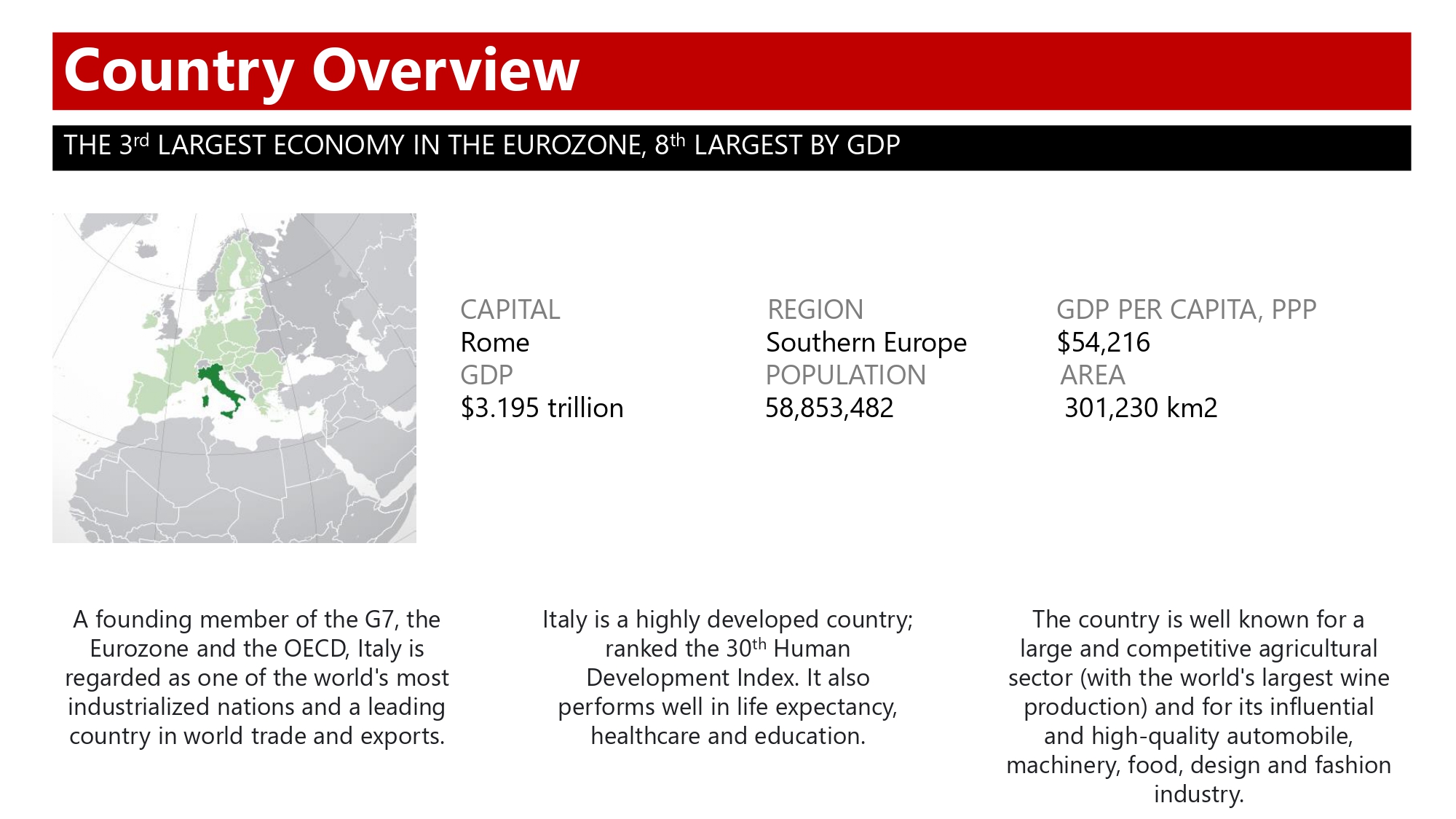
Client: “We’re planning a campaign for XYZ in Milan, Rome, and Florence, targeting high-end fashion buyers.”
Agency: “Great. Let’s book digital billboards near the Colosseum and add some fashion week placements.”
Sounds familiar? Everyone’s nodding, budgets are being approved, and the deck looks shiny.
But here’s the catch: Is that really where the audience is?
Yes, these sites are iconic. Yes, the footfall is massive. But ask yourself: footfall of who?
Because unless your target audience is tourists with selfie sticks, chances are… you might be investing in visibility that doesn’t always align with intent.
This is where many global campaigns risk missing the mark by confusing visibility with relevance.
Why does this gap exist?
Because international media planning still tends to lean towards:
- Familiar sites as opposed to what may be a relevant choice
- Easily justified decisions over those that deliver true impact
- What works better on a deck, rather than what would resonate meaningfully with target audiences
So how do planners build better global plans even from thousands of miles away?
- Make Room for Market Visits
Nothing beats walking the streets, hearing the language, and soaking in the local rhythm. Even a short 2-day trip during planning can prevent weeks of misguided spend. It turns assumptions into observations, and observations into smarter decisions.
- Prioritize Market Immersion (Even if Virtual)
If travel’s not an option, set up virtual market immersions. Ask local partners to share video walk-throughs. Run a “day in the life” session with locals. Small efforts, huge clarity.
- Involve Local Partners Early
Bring on-ground media owners and planners into the strategy, not just the execution. Run co-briefs or joint strategy huddles. Their input can refine and enrich the plan.
- Wherever You Sit, Don’t Assume You See the Full Picture
Whether you’re in New York planning for Dubai, or in Singapore building for Paris, proximity doesn’t equal perspective. But empathy, curiosity, and collaboration can bridge the gap.
Why it Matters
Local Knowledge Is a Superpower:
Data can show what, but only local context reveals why a plan works or doesn’t.
- What do locals do after 6 PM?
- Which “premium” mall is now outdated?
- How does the message land in the local dialect?
According to a recent study, brands with high cultural relevance grow 6x faster, and 78% of users are more likely to buy when ads feel personally relevant (WARC 2024).
Understand the Media Landscape:
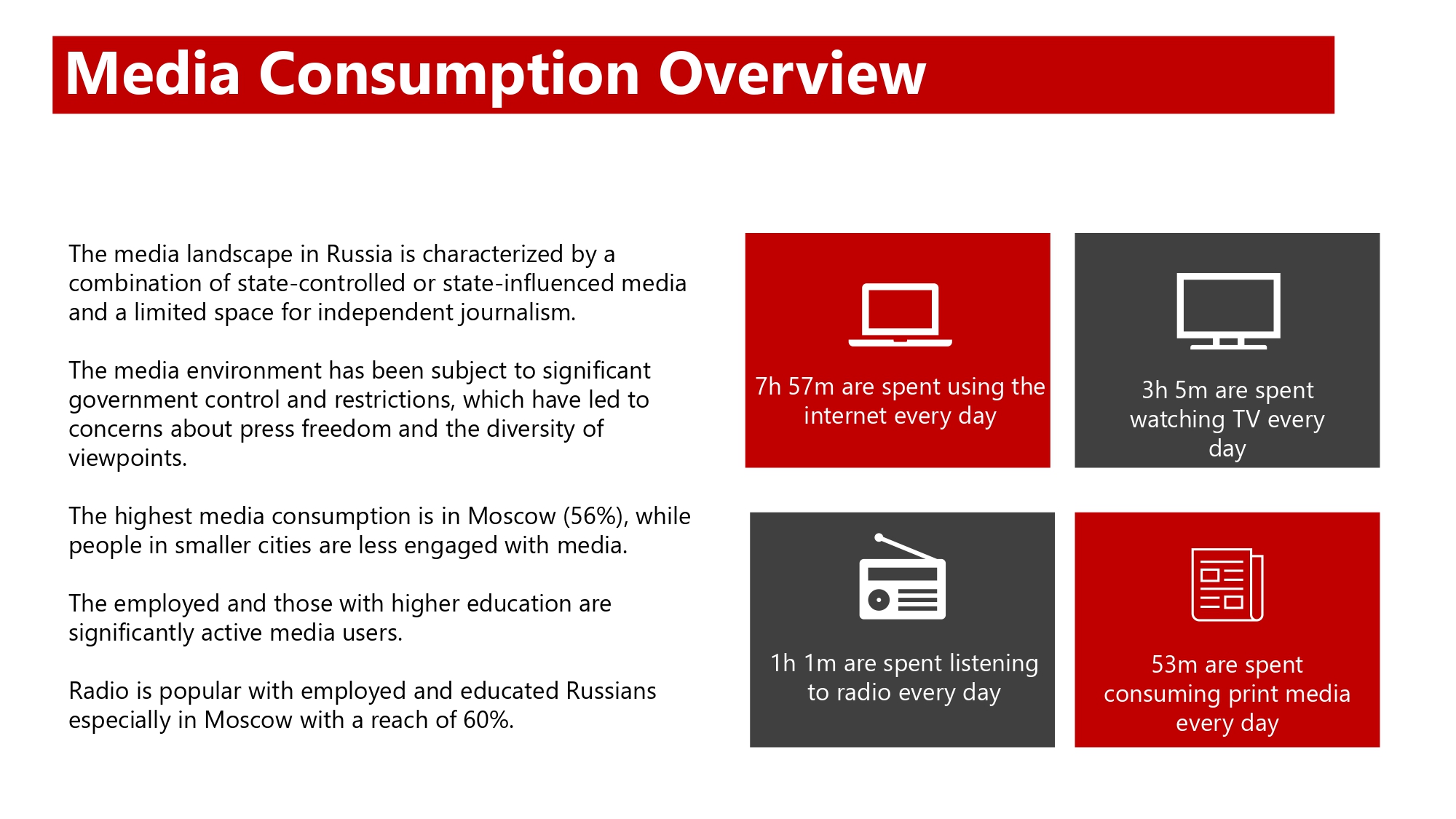
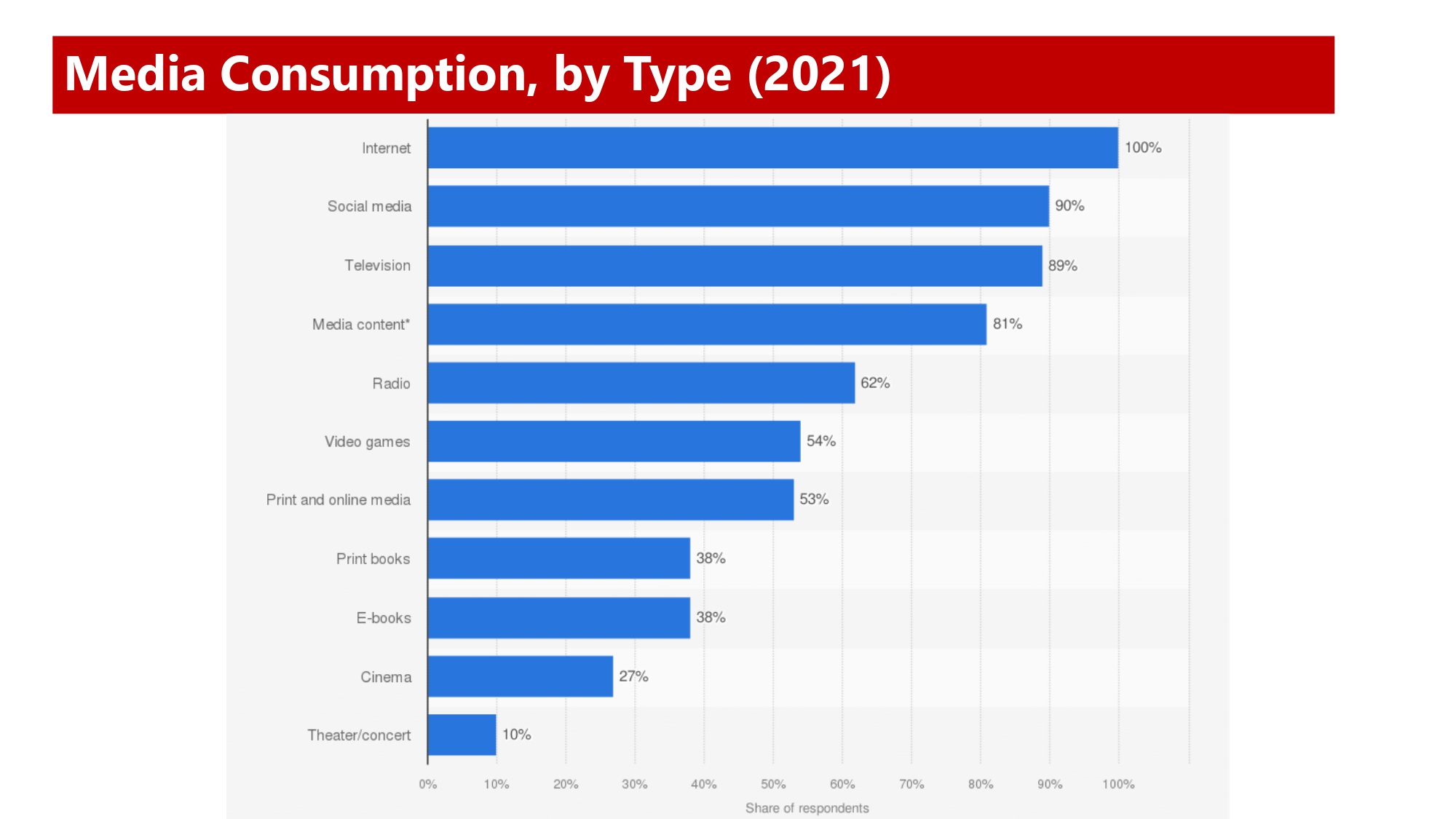
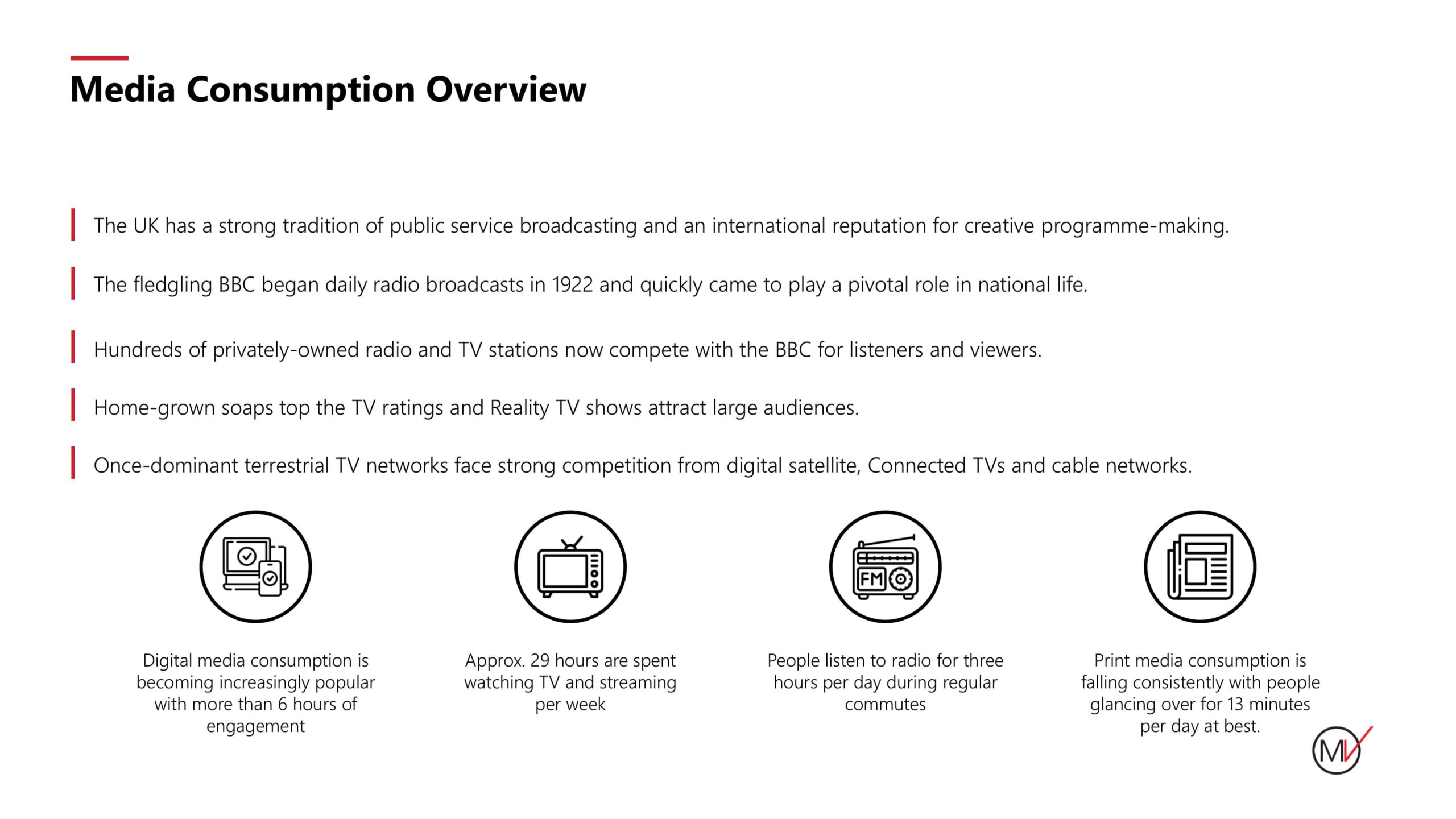
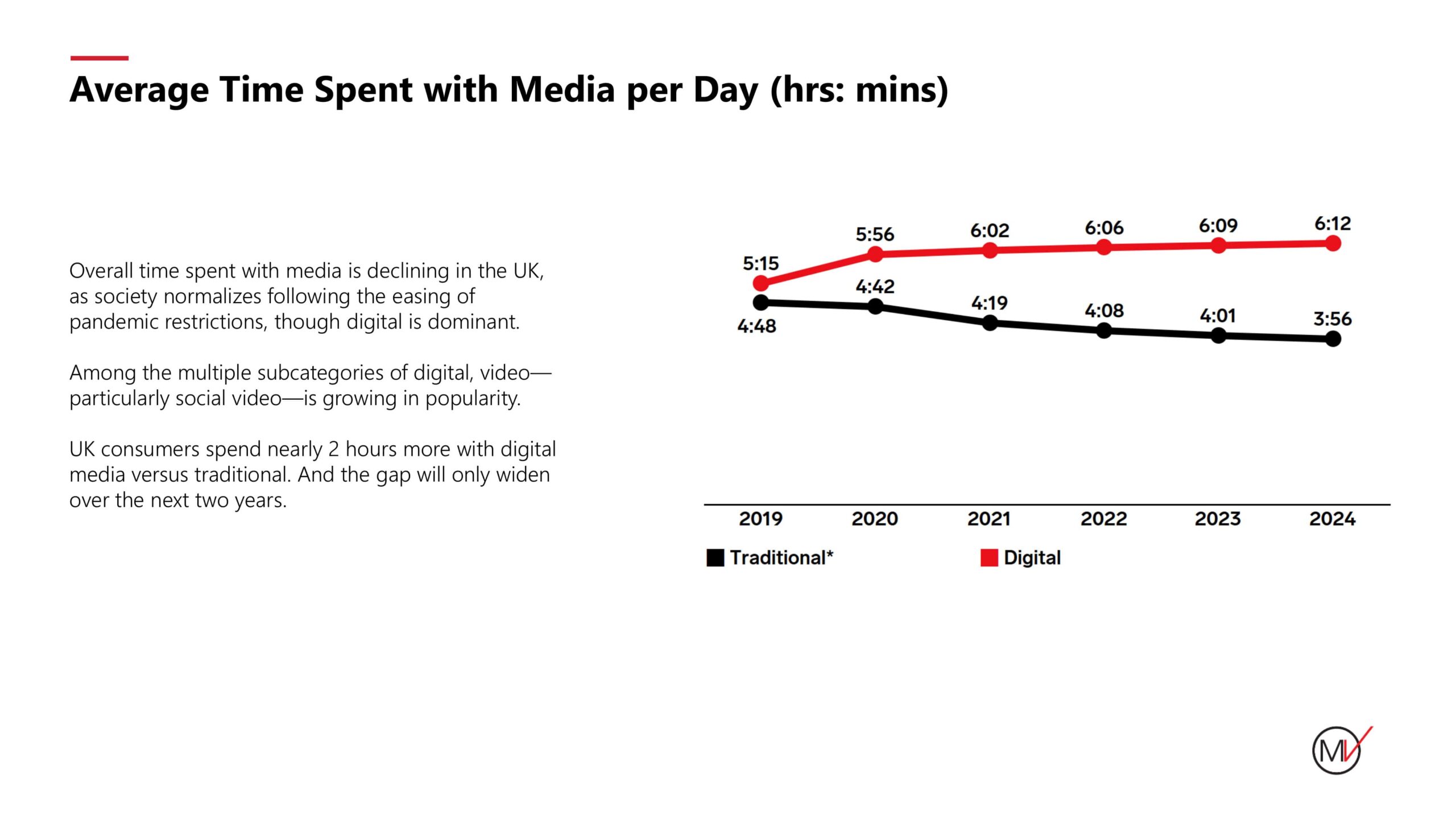
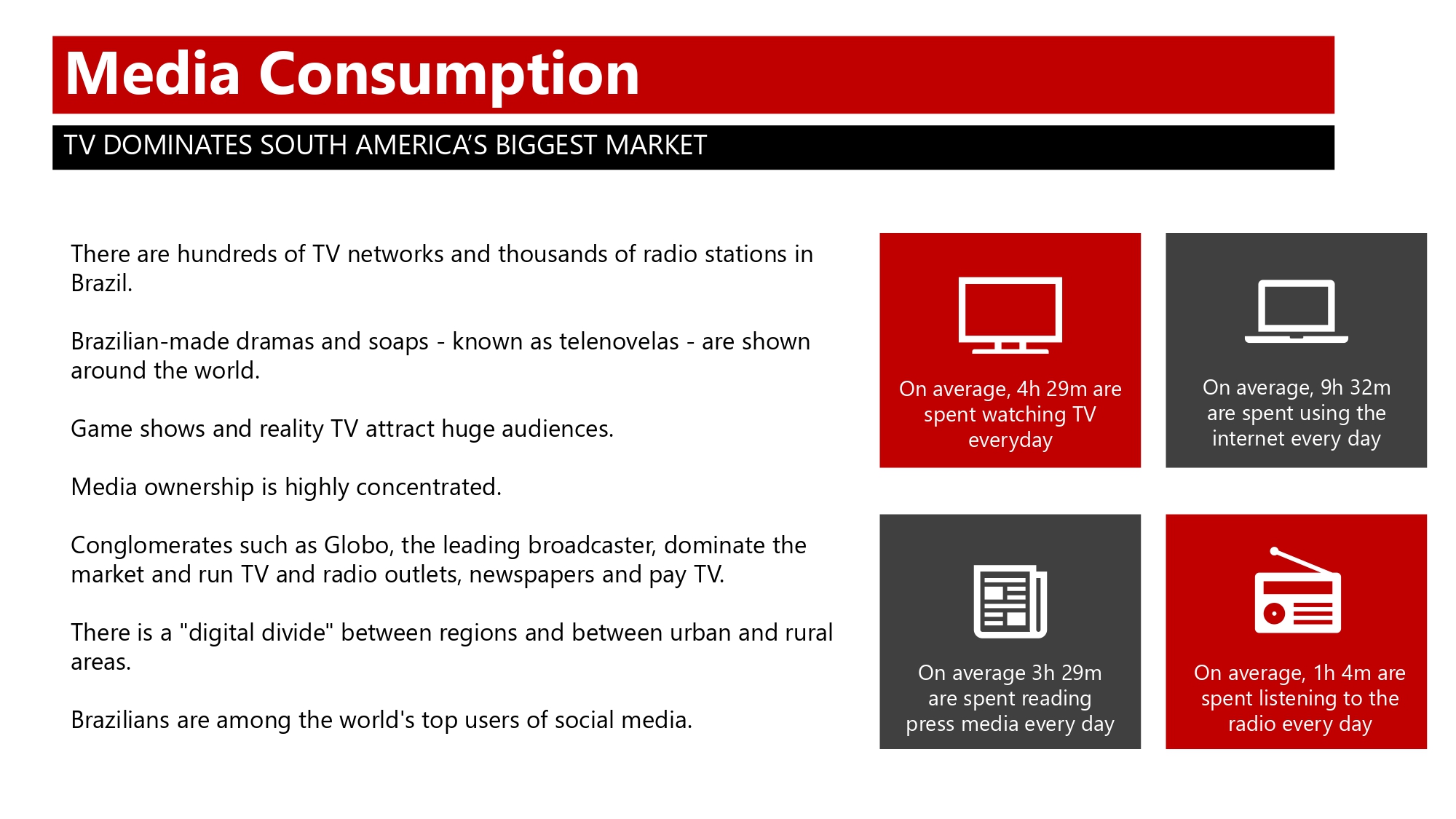
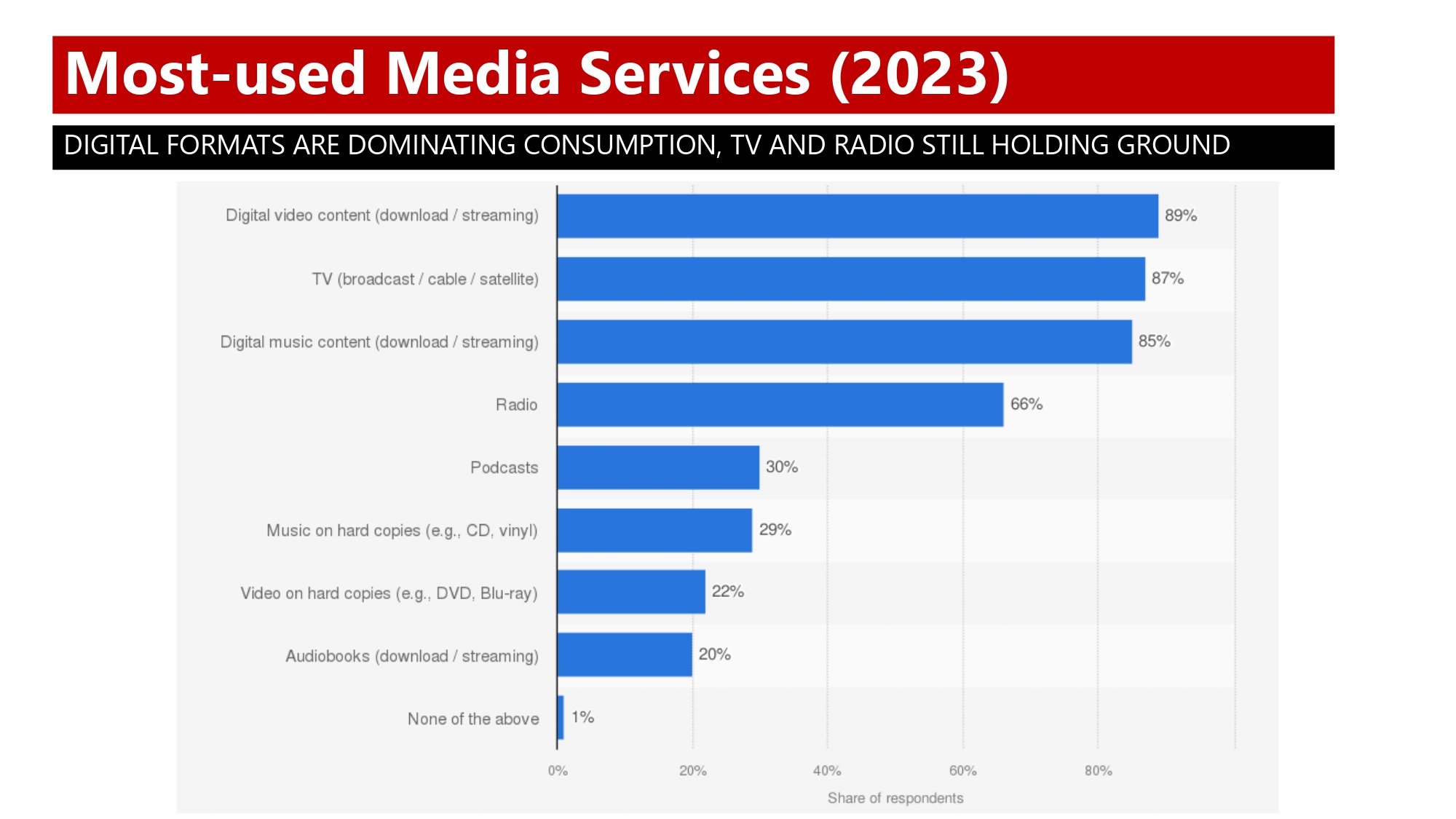
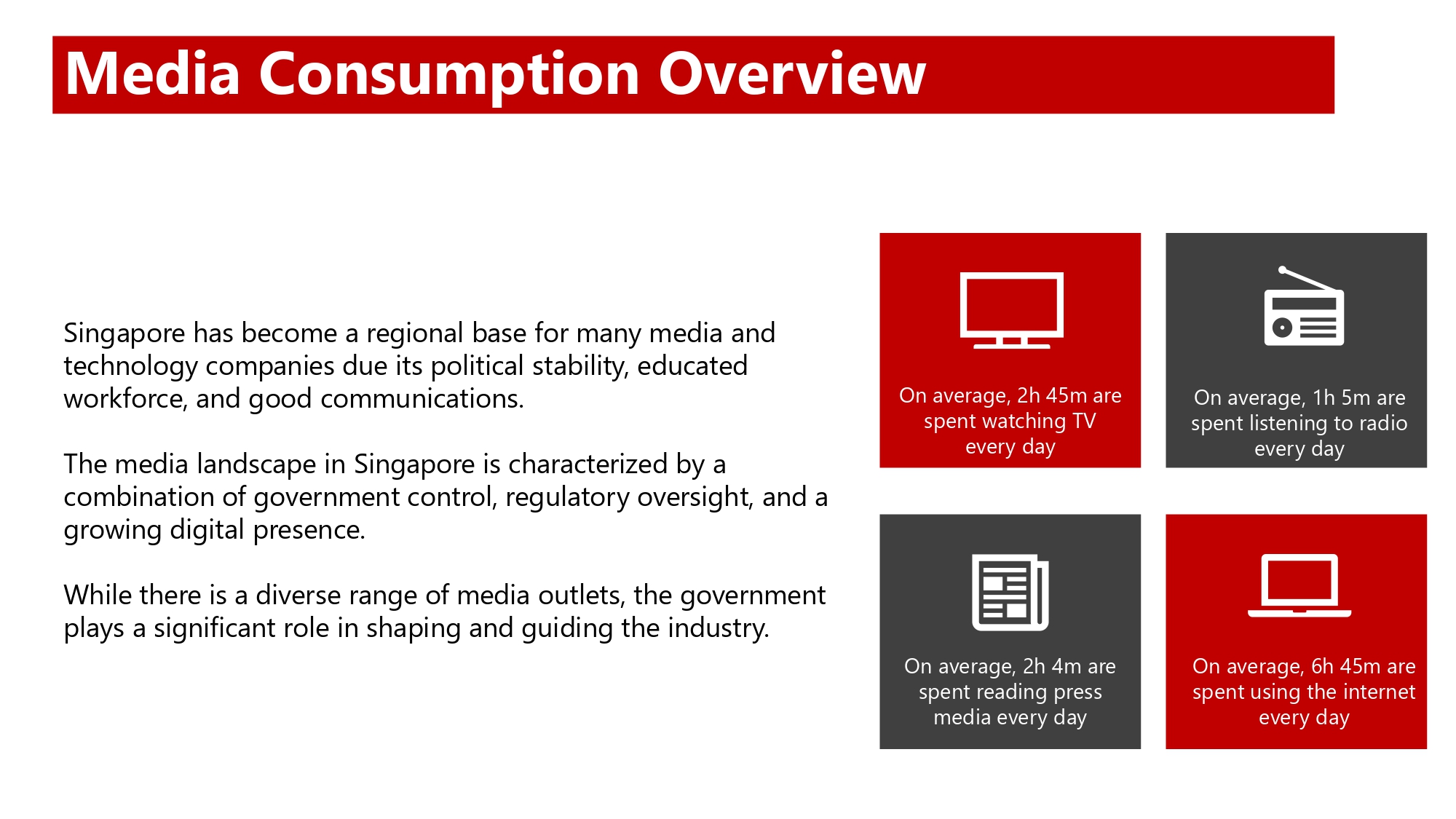
No two markets are the same. Knowing the formats isn’t enough. You need to know what people trust and where attention actually lives.
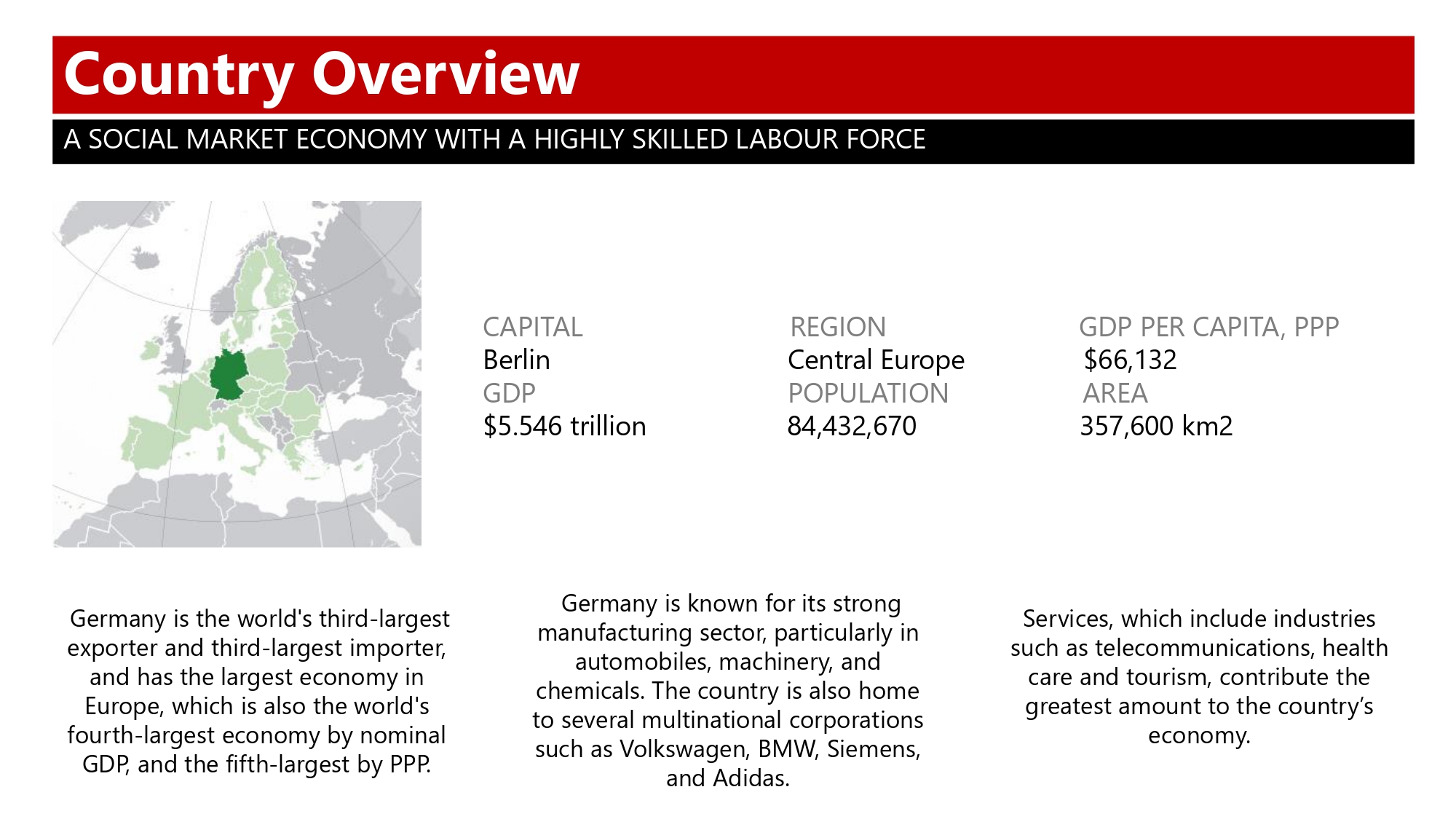
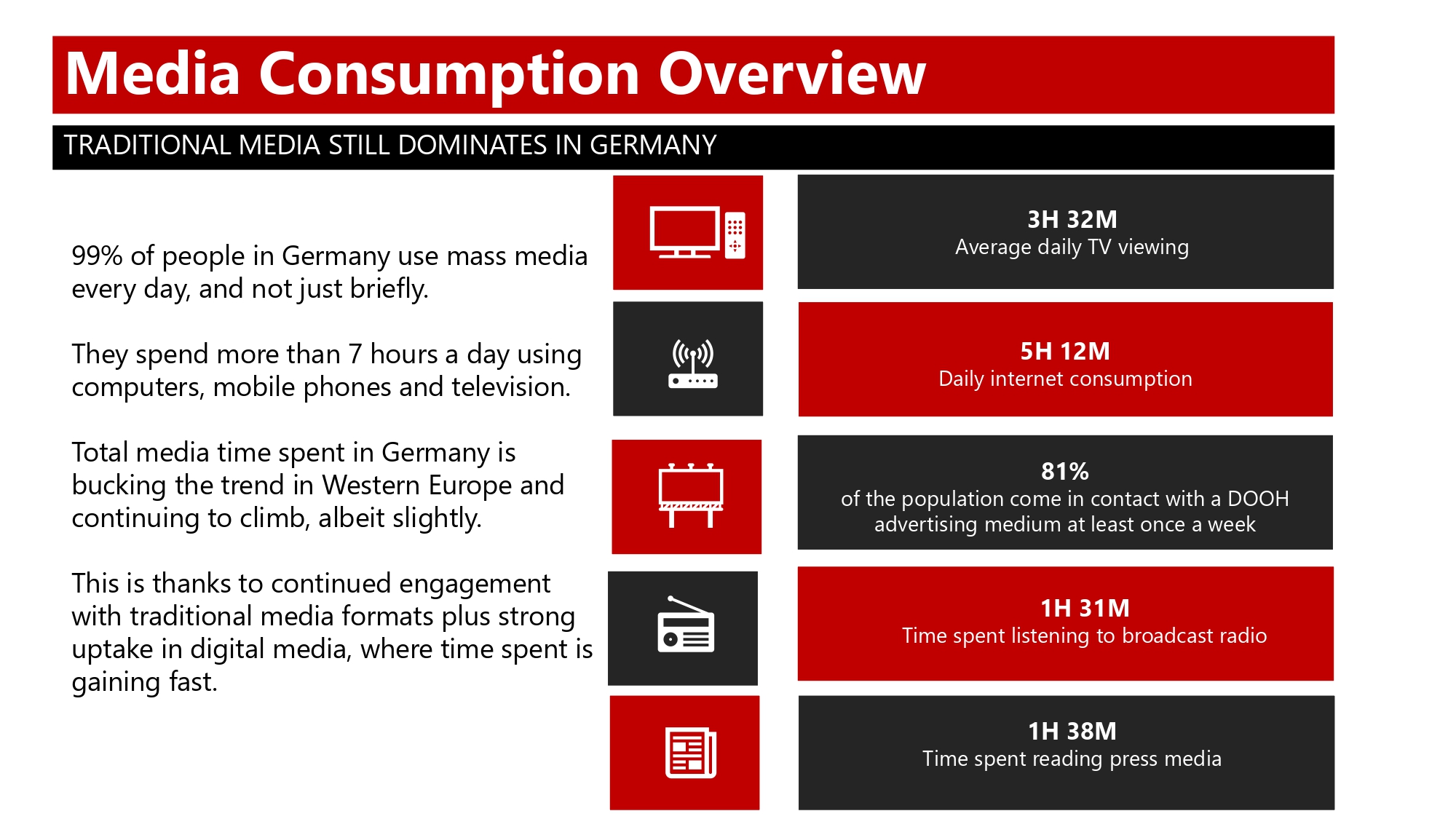
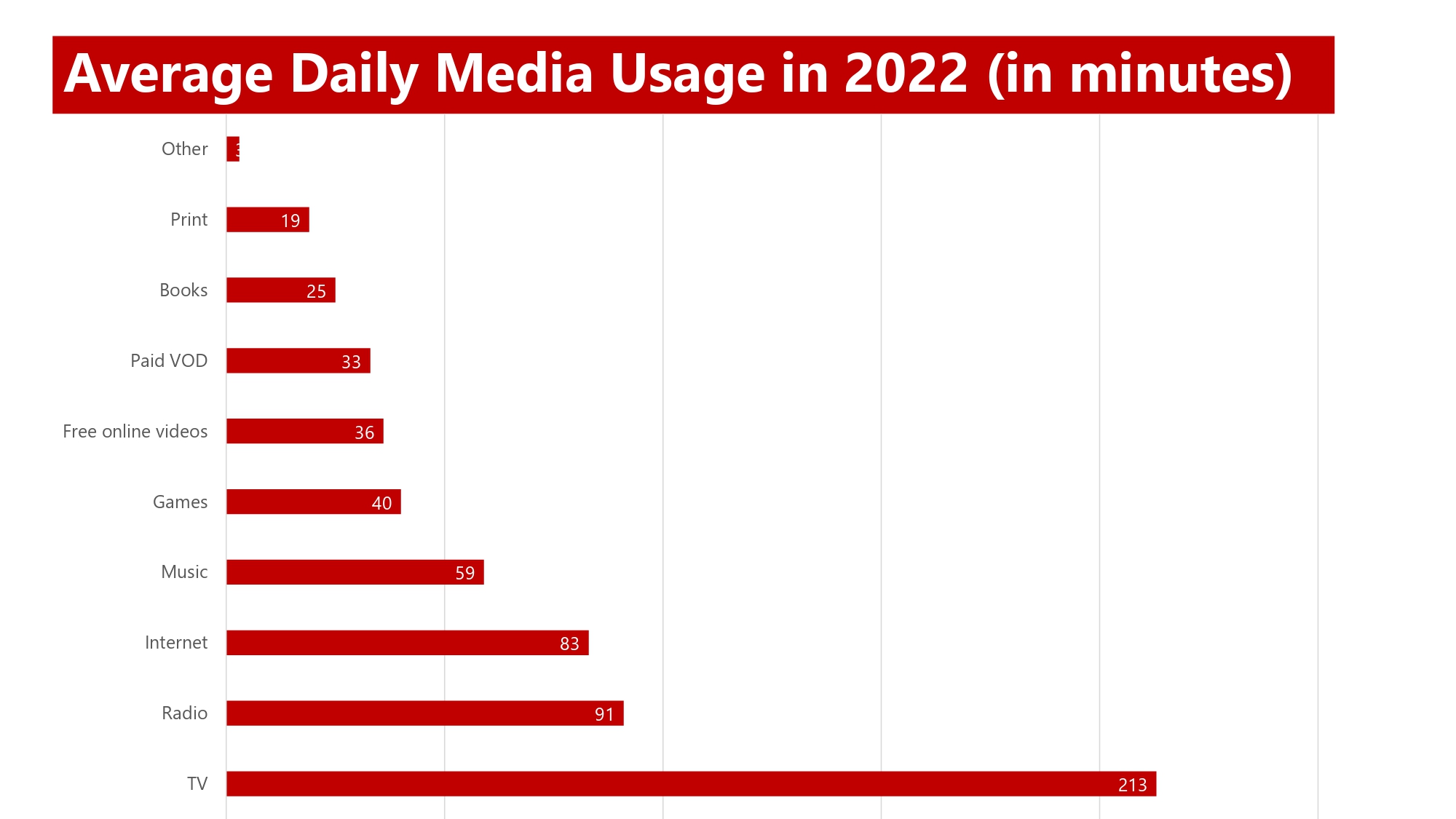
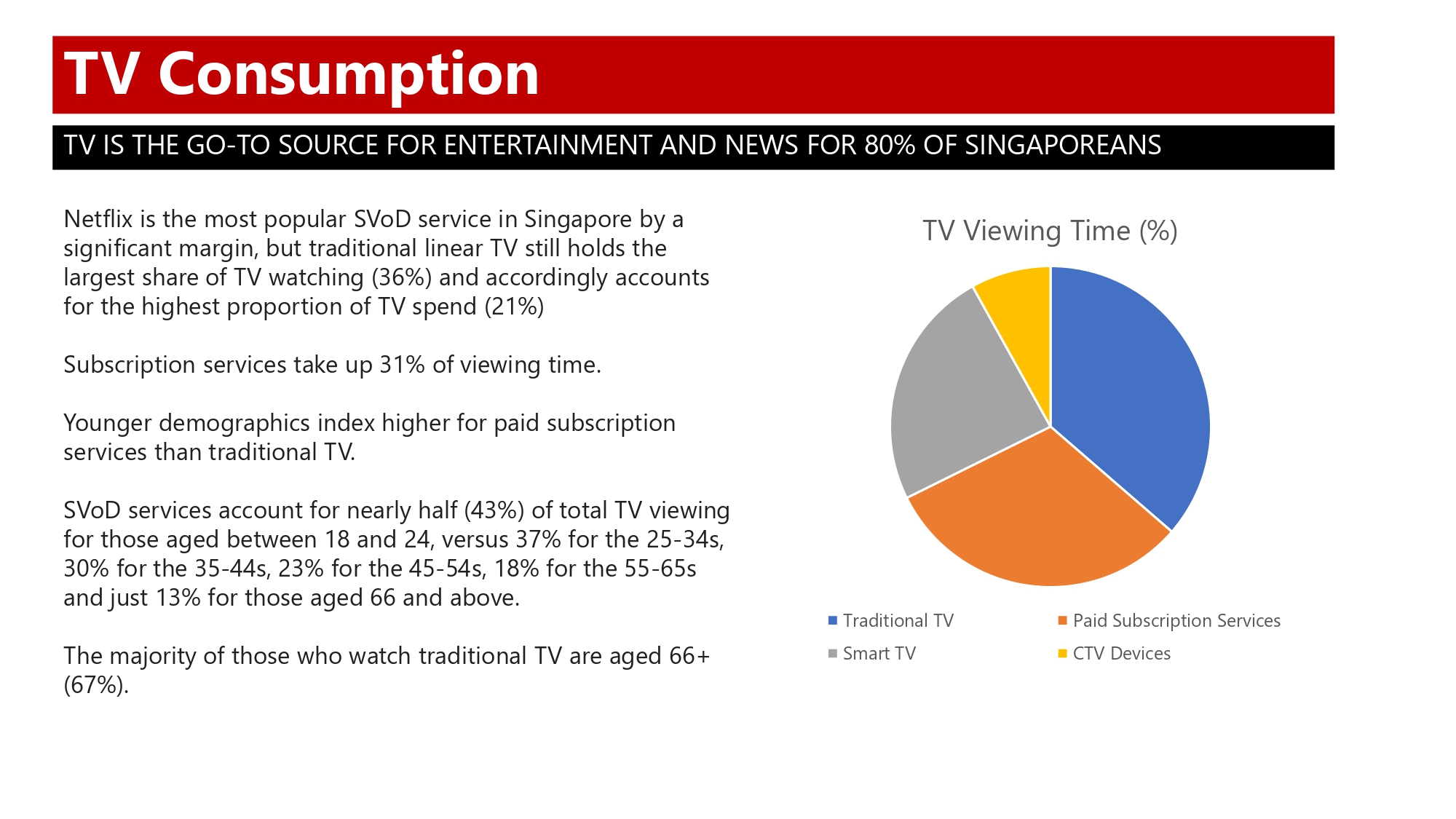
- Germany: TV still leads, 61% trust it vs 28% for social (Statista 2023).
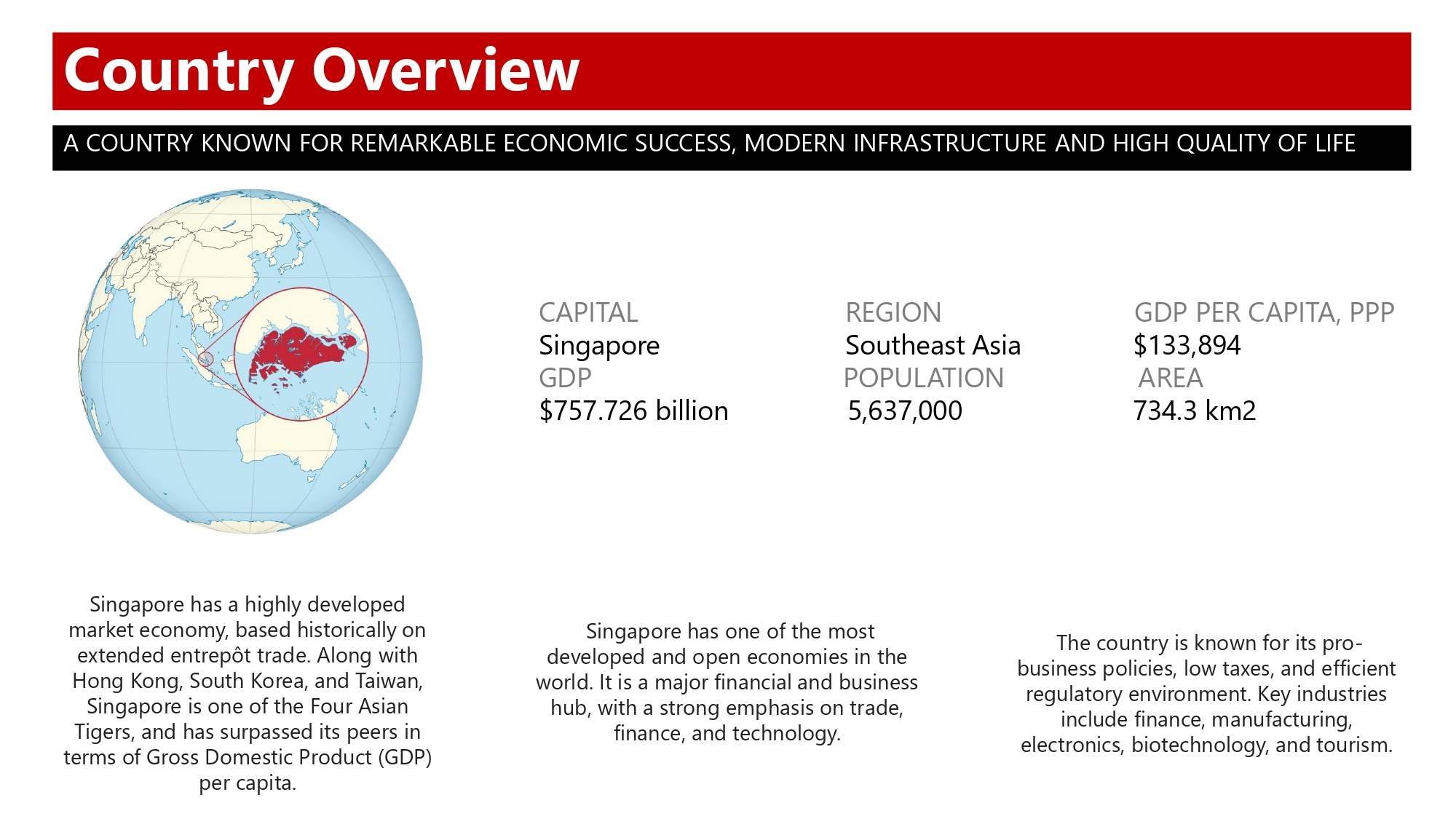
- Southeast Asia: Mobile is 80%+ of web traffic.
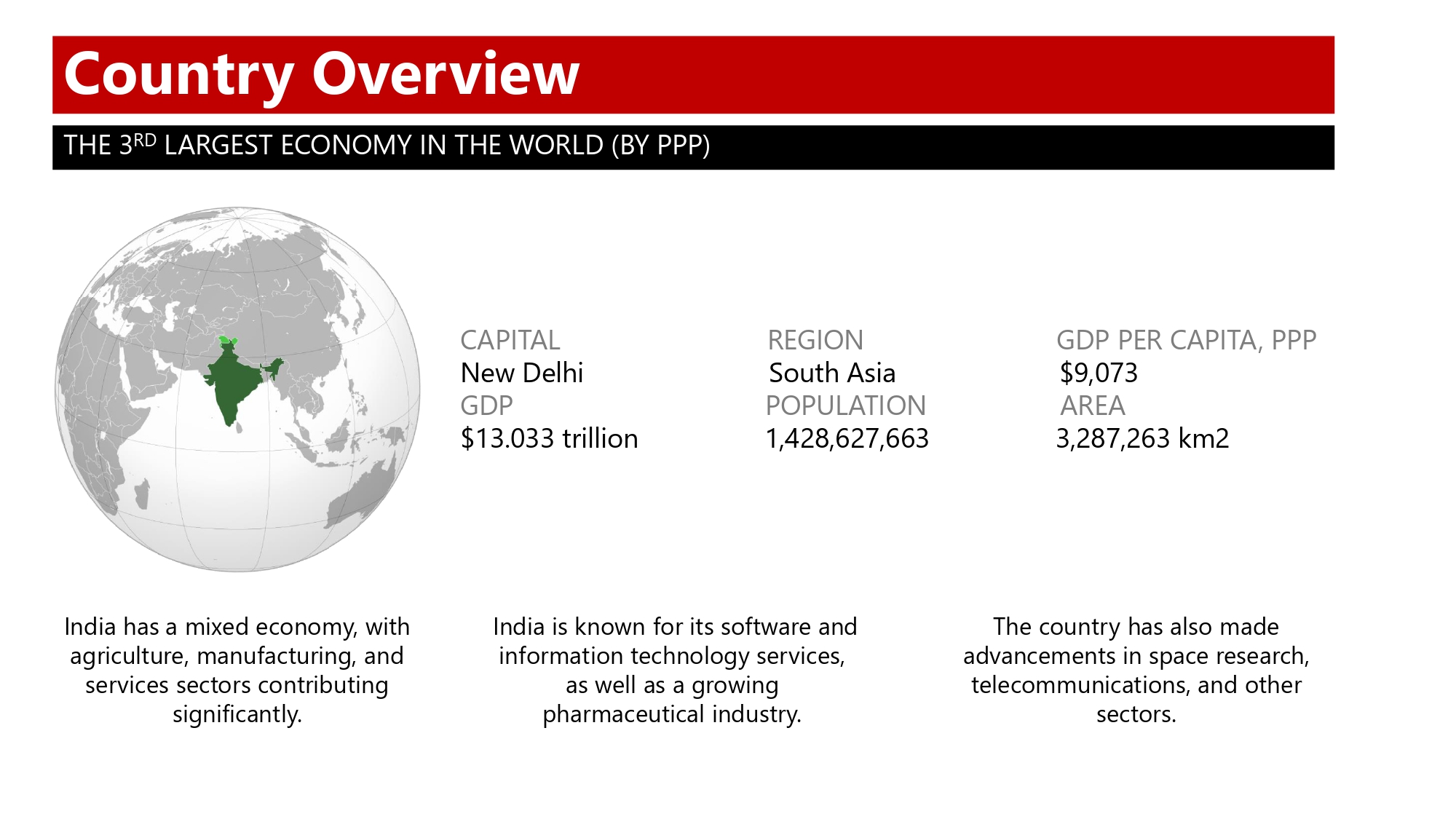
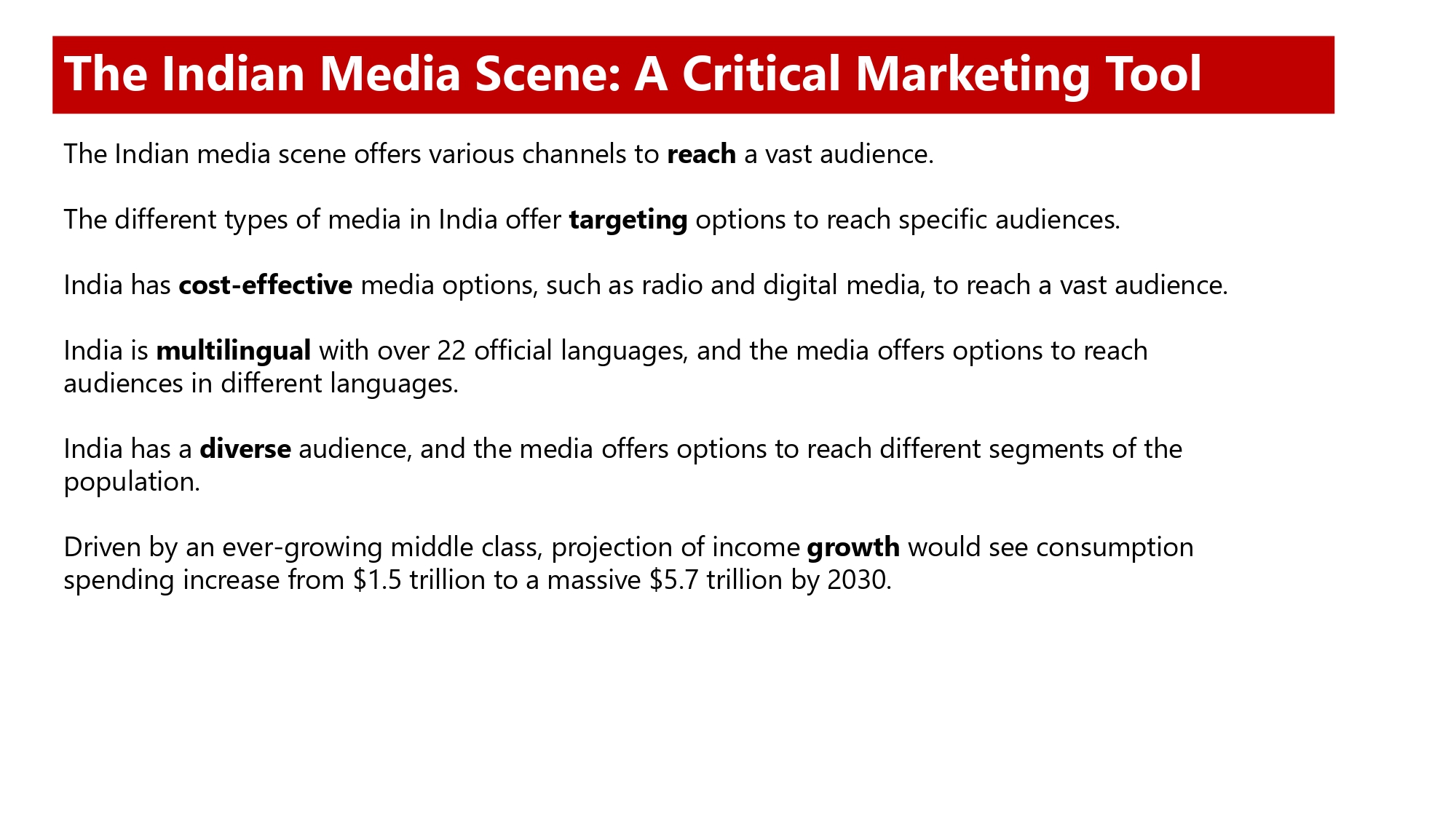
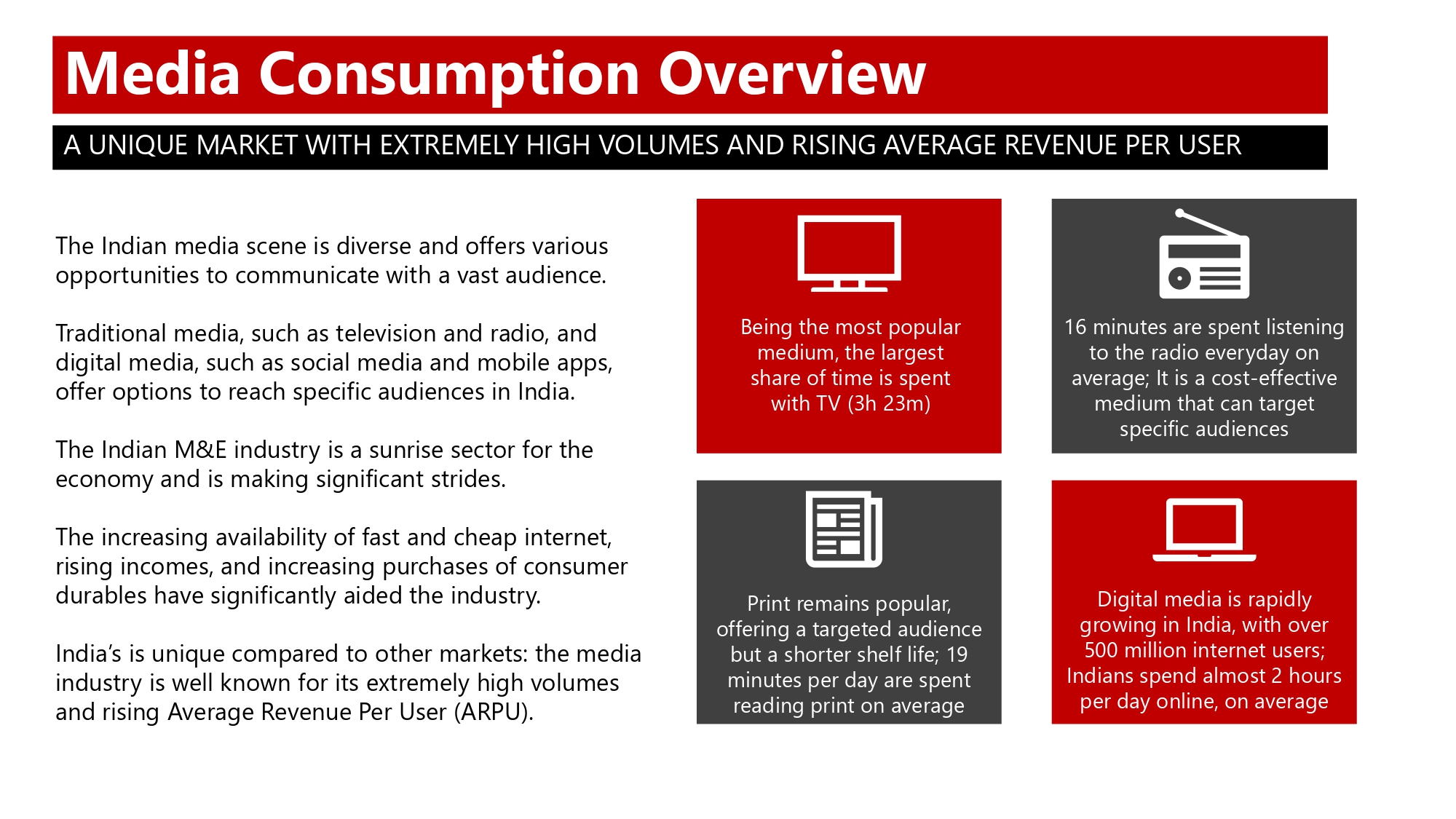
- India: Urban = digital; Rural = TV. One plan won’t fit both.
Audience Insight > Assumptions:
Relying solely on broad assumptions or familiar platforms can sometimes miss the mark. Dig deeper: Where does your audience spend time? What do they watch, listen to, care about?
Plan for Impact, Not Just Visibility:
Iconic sites can deliver impact – especially when paired with creative and contextual relevance. True impact happens when the message shows up where it matters, when it matters, and how it matters.
Because visibility gets attention. Relevance drives results.
Next time you’re planning internationally, take a moment to go beyond the most recognizable options.
And when someone says, “These sites are iconic,” consider adding: “And how do they connect to the people we’re trying to reach?”
Because safe and seen doesn’t always sell. Relevant and remembered does.
Let’s stop planning for postcards. Let’s start planning for people.
Sources: Media Brief | Advanced Television | Statista | Astute Analytica